

Do you enjoy the content ? DONATE with PayPal to support me !
Get $5 of NEW USER FREE CREDIT using PCBWay. Full feature custom PCB prototype services, PCB assembly, SMD stencils, CNC / 3D Printing.
Introduction
Learn how to build a dual band VHF / UHF vertical dipole antenna ( 2m / 70cm ) with simple SWR adjustment options. Great for simplex and repeaters. I built mine as simple as I could with things I had available. Don’t be shy and be inventive taking advantage of what you have around to build it. If you do not have the 12mm aluminum tubing that I used, check this dipole antenna calculator so you can calculate the proper dimensions for your elements. If you want to keep it even more simple, you can also built it without the SWR adjustment tubes.
Dipole Antenna Polarization
I noticed a little confusion when it comes to the polarization. Some think is omnidirectional, while others think is directional. The truth is that it can be either one of them. If you install the antenna horizontally, it will be slightly directional. But installed vertically, it becomes omnidirectional. Similar to a ground plane antenna. Down bellow you have a graphic that it will help you understand how it works.
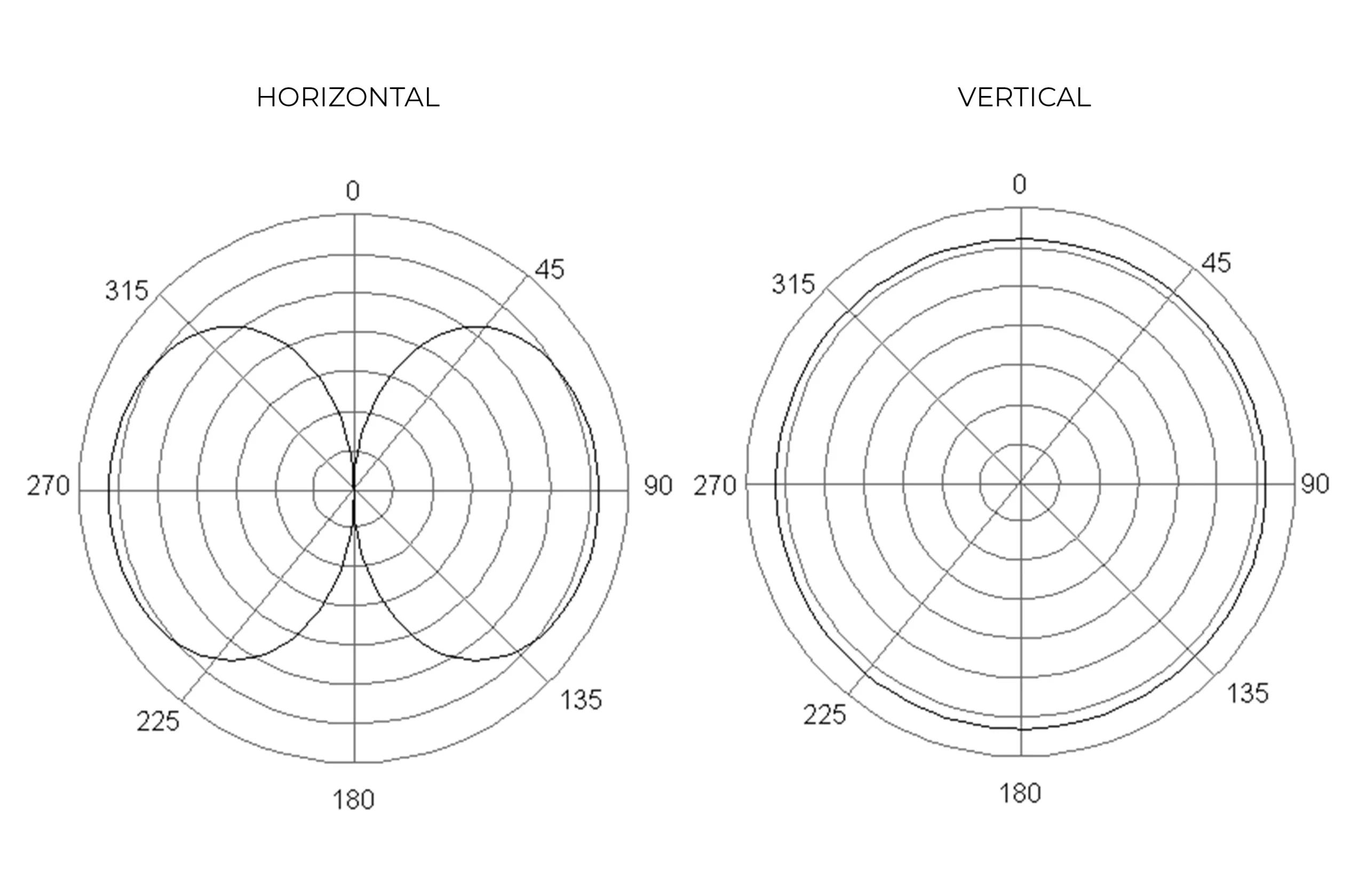
Dipole Antenna Polarization
Building The Vertical Dipole
This VHF / UHF vertical dipole antenna is really easy to build. If you watch the video above, you will understand exactly how to build it. I also made a graphic representation of a cross section to help you with the construction details. You can see the image a little lower.
Consider using materials of your choice. I used whatever I had available. For the plastic bracket you can use a 3D printed one. I just happen to have the plastic one from a TV antenna my dad built back in 84′. At the time I am writing this article I am also thinking on using a 3D printed part. I am just not sure about the UV protection on that. I may end up building it in another way to make sure it will last a long time. I don’t like replacing stuff all the time ( the modern consumer market thing ).
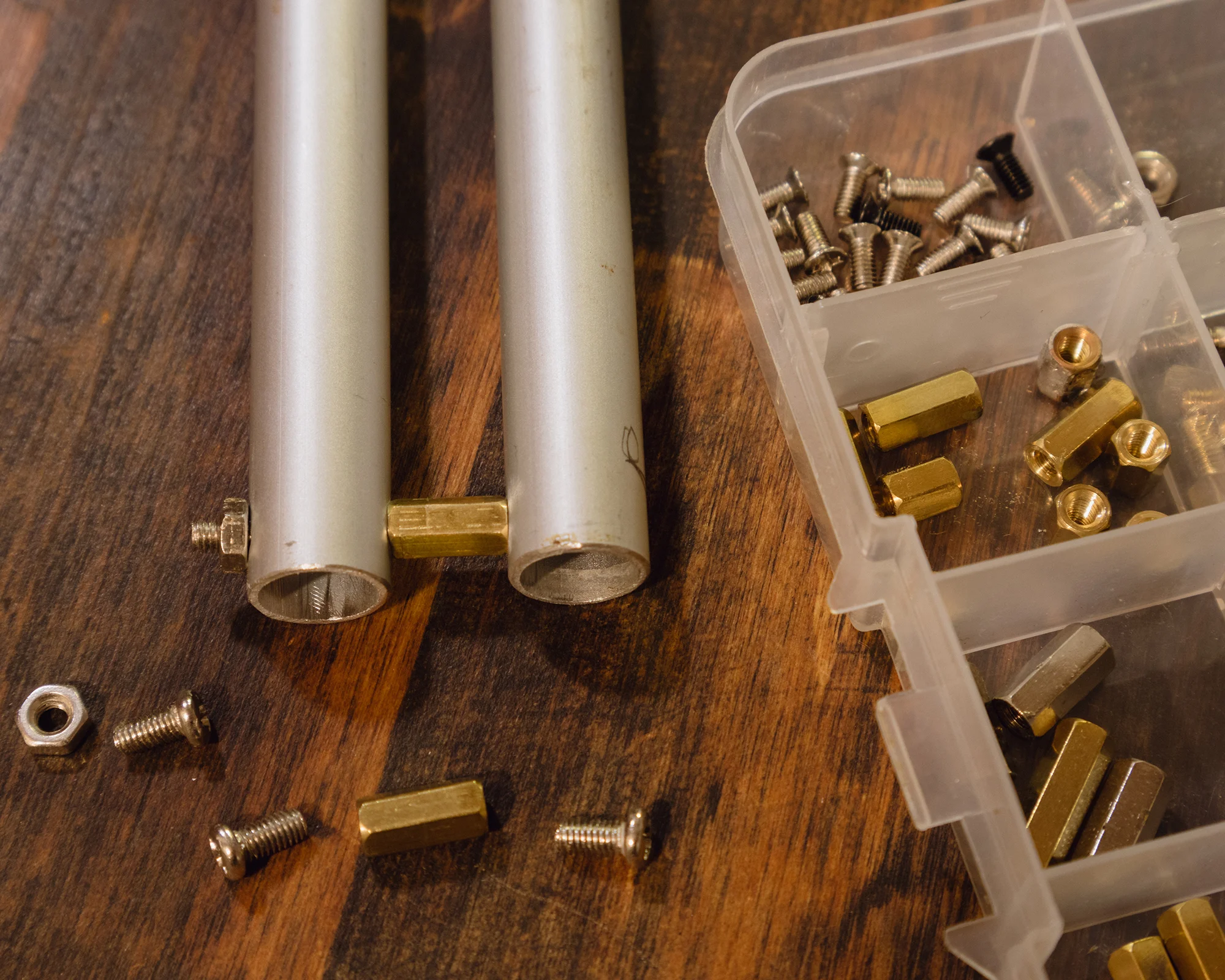
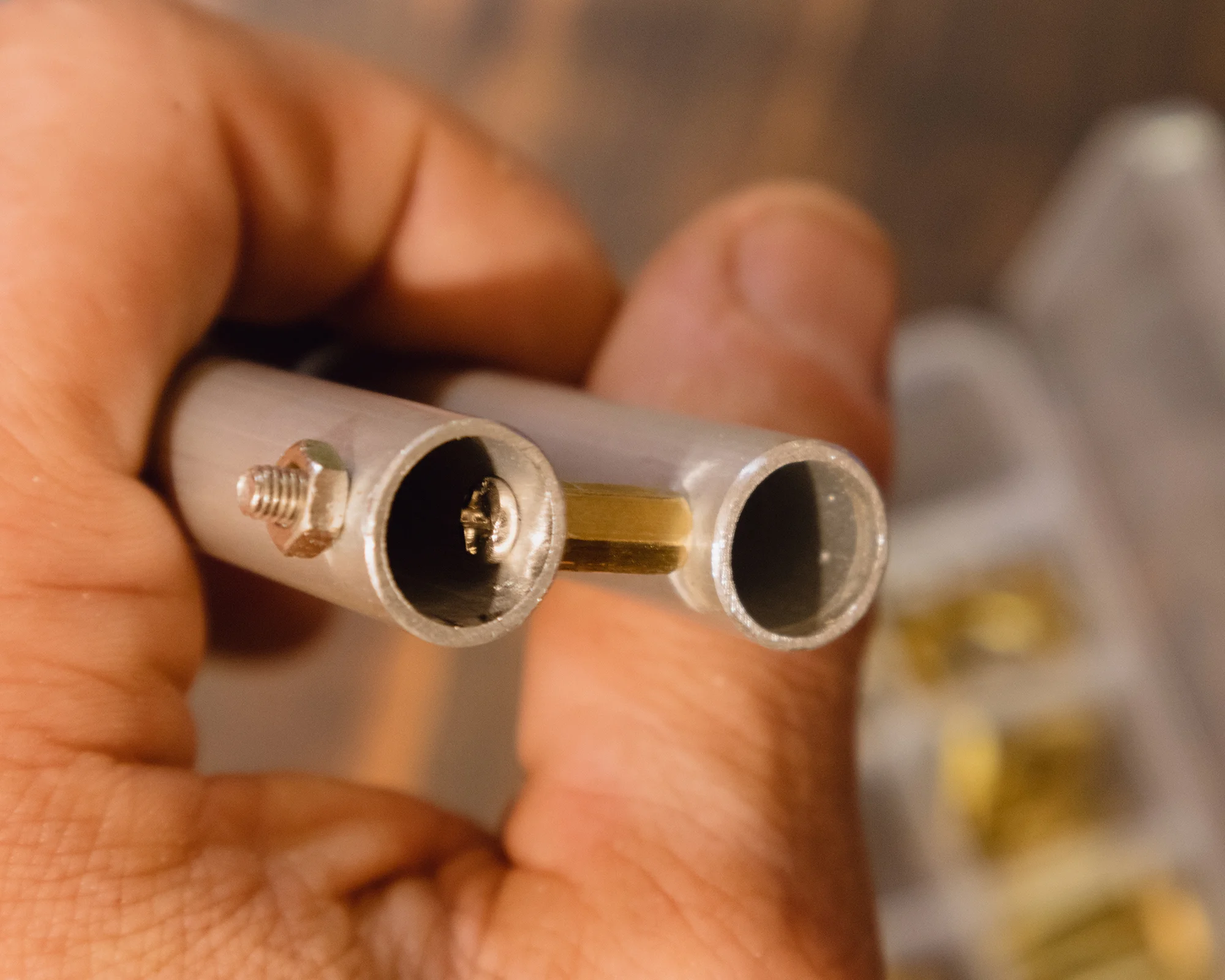
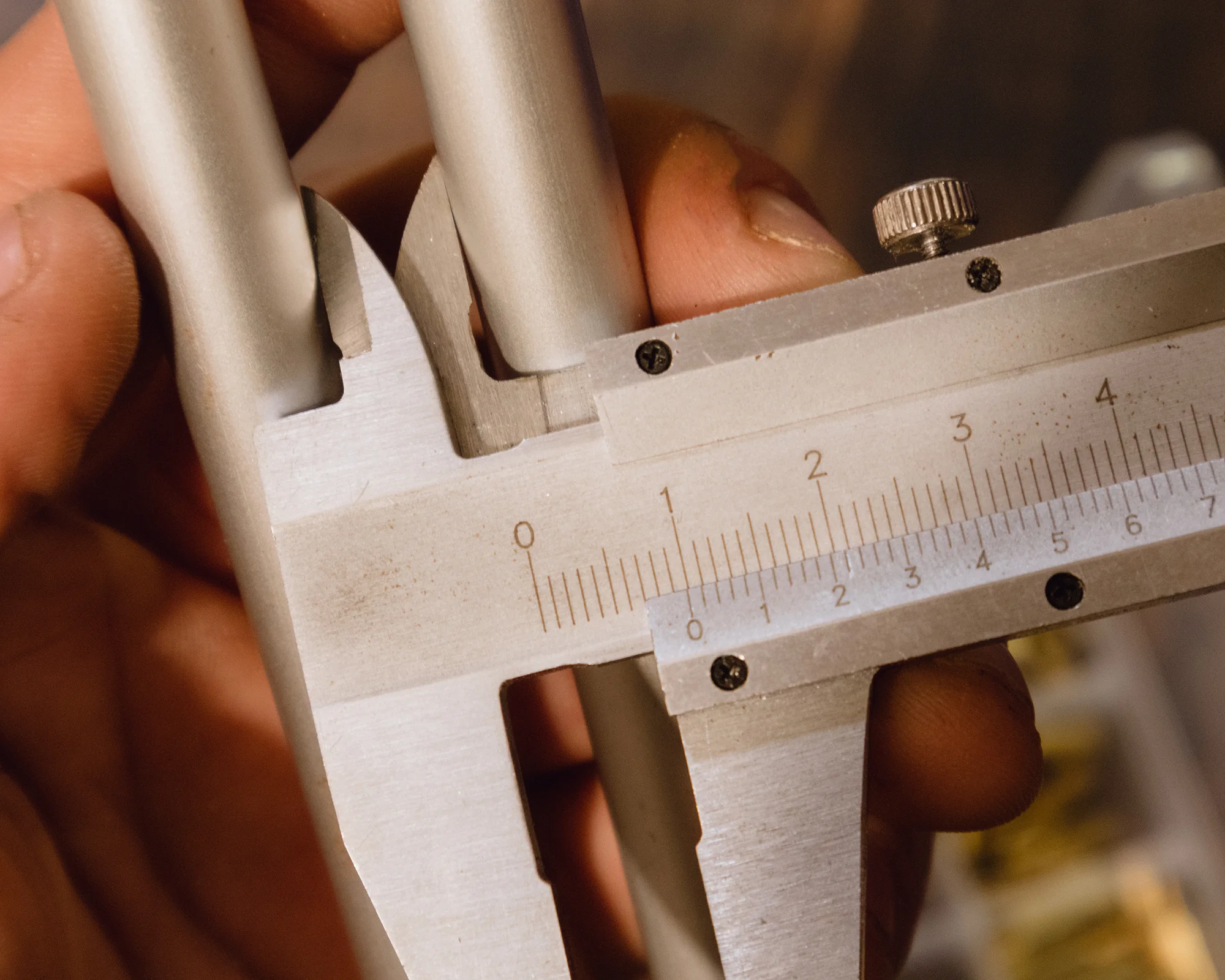
Elements Spacer From Hex Standoff Screws
The drawing should be self explanatory and in a few hours you should have it ready. Built well it will last a really long time with not much maintenance. A cleanup once every year should be more than enough. I have mine for three years now and it’s like I built it yesterday. In case you can’t see the details in the video, here you have some photos. On the extensions I made some markings at 1cm distance from each other ( shown in the video ). I am planning on making those by half drilling a hole in the tube instead of those lines. Simply because it will look more pretty.
The extension tubes made it easier for me to adjust the SWR. The spacer between the 2m and the 70cm elements used to be a brass fitting. Now I am using the hex standoffs we usually use to separate PCB boards. It worked for me so that it what I used. The brass makes a good contact with the elements and so far there was no corrosion. Just make sure you install them as close as possible to the end of the tubes. With the help of the plastic piece that keeps the tubes together, it becomes a strong piece. This will make the entire construction rigid and the elements won’t move.
Adjusting The SWR
A nanoVNA should be enough for you to properly adjust the SWR. It’s a little time consuming, but I would recommend you to make the adjustments with the antenna installed in the final location. Anything around it, or the height of the antenna, could influence the SWR in most cases. Extend or insert the extension tubes for each band until you are happy with the SWR reading for each band. I like adjusting the SWR for the 2m band first. Then I adjust it for the 70cm band. After that I go back and forward between bands to make sure nothing changed as they may influence each other. Once you are happy with the SWR readings, tighten the screws of the extension tubes.
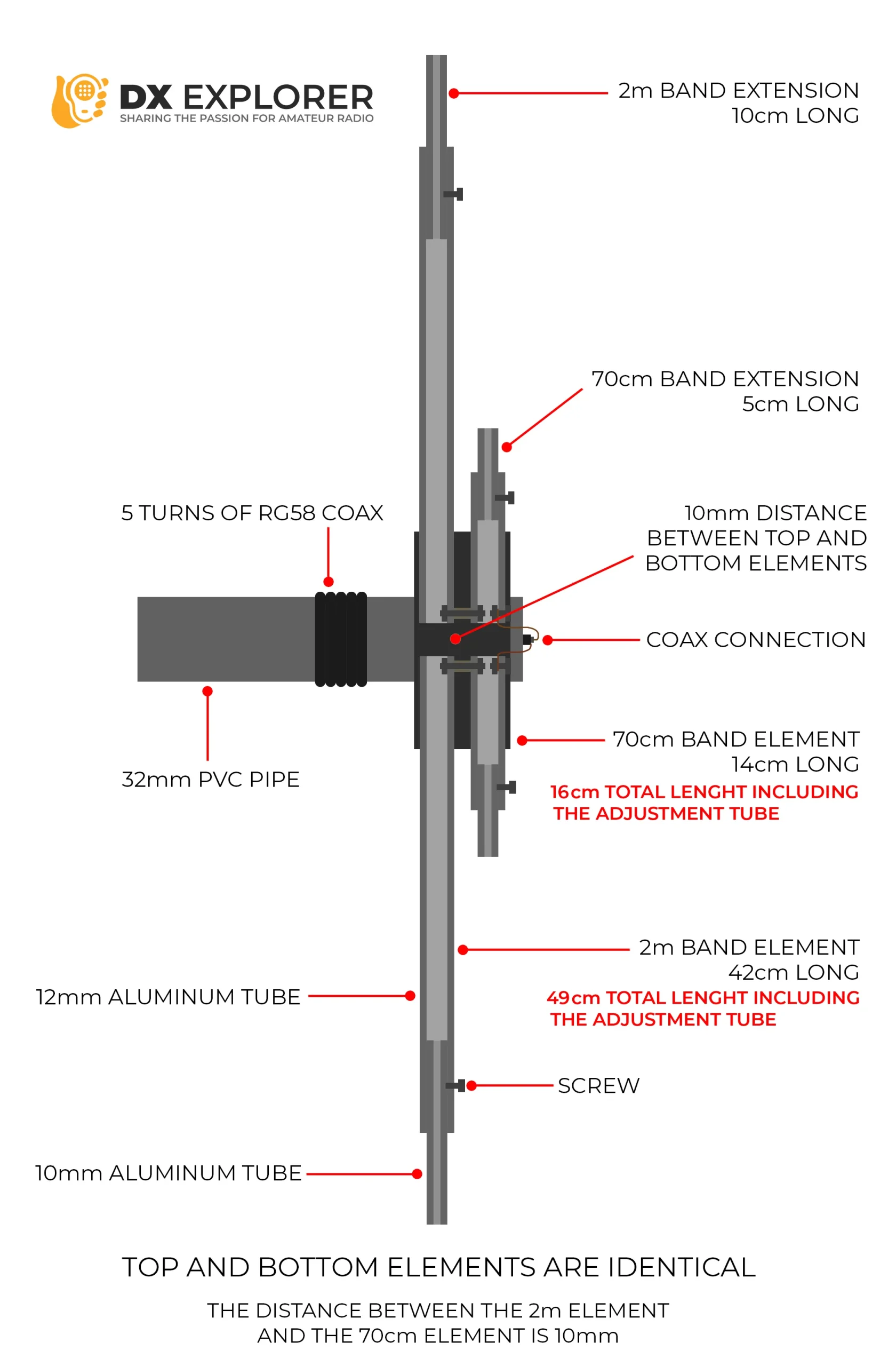
VHF / UHF Vertical Dipole Antenna Construction Details
Final Thoughts
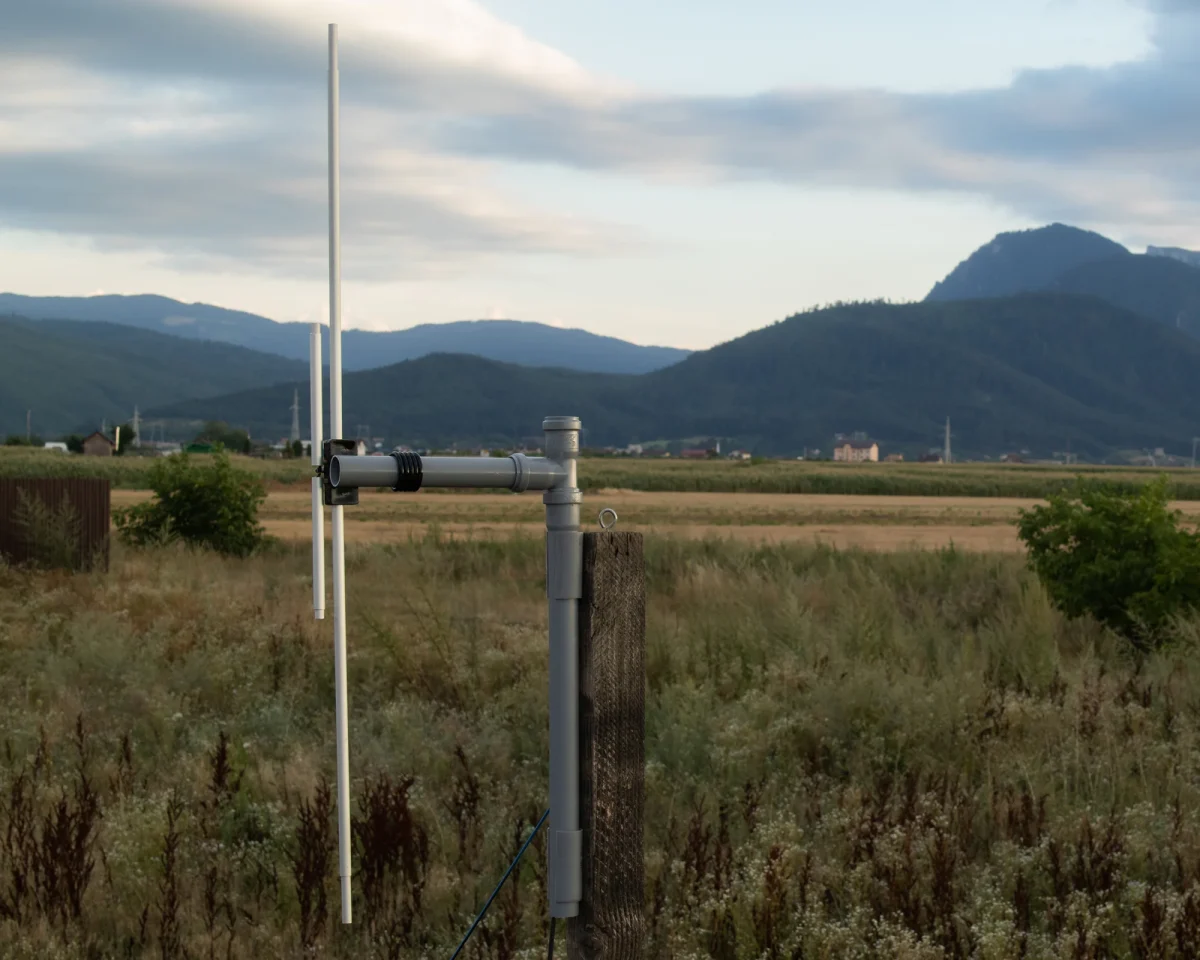
Here you have a photo of the antenna installed in my current QTH at the time I am writing this article. Since my caravan became my ham shack for the past year and a half, I am thinking to install it on a bracket on one of the walls above the caravan ( RV for my US friends ). One very important note. Do not omit the 5 turns of RG58 coax. Those are there to help you improve the SWR and also an RF choke preventing the RF going back into your transceiver. I don’t know how effective it is as I never tested this ( I think I will out of curiosity ). So far though, I never had and issues with common mode current. So I can only guess it does a good job.
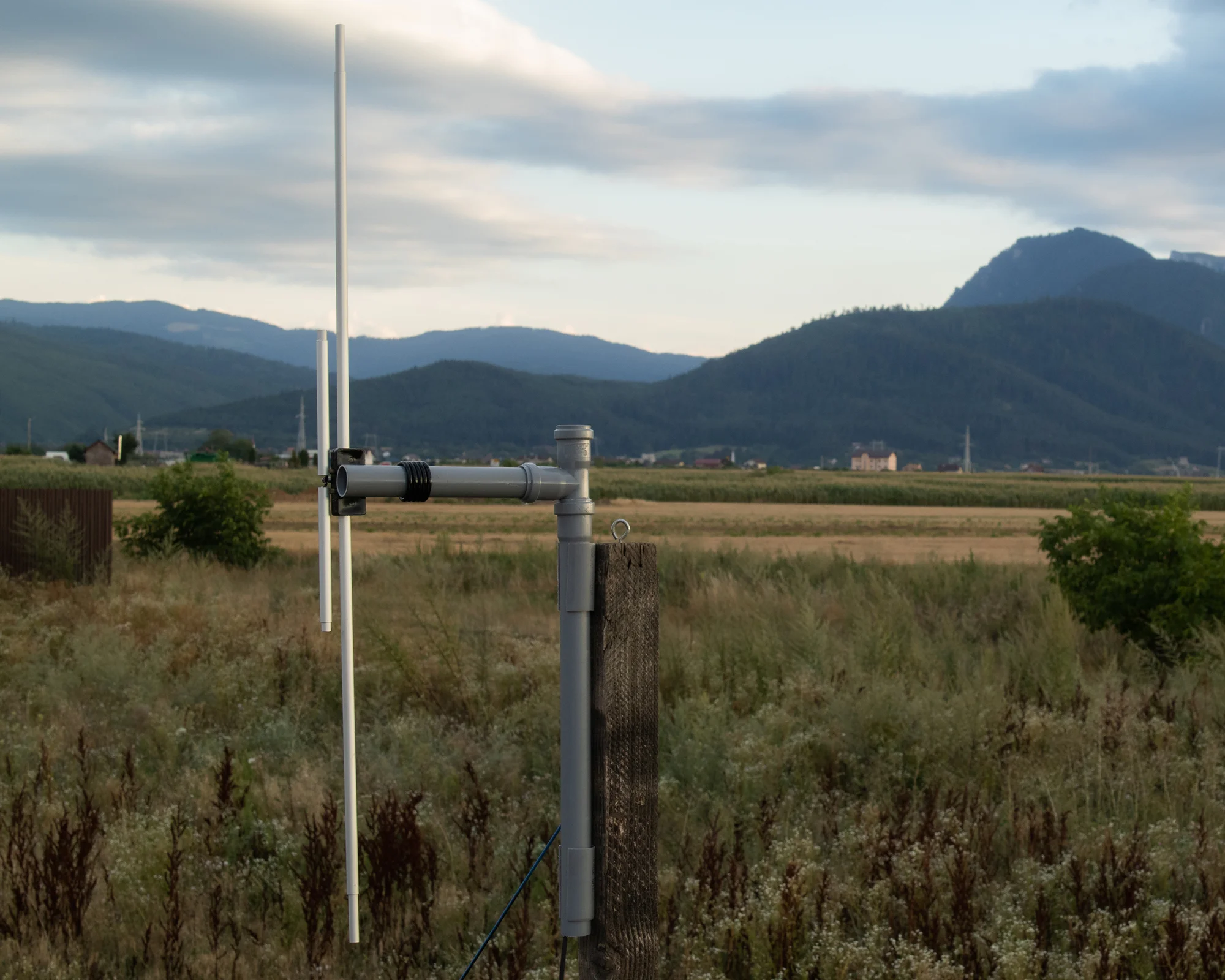
VHF / UHF Vertical Dipole Antenna
The reason why I liked this antenna, is that it was really easy to build. I think I spent less than an hour putting it together with parts I already had around. The tubes were leftover pieces from when I build the Yagi Antenna I use for satellites. It seems to perform really well as I can hit all the repeaters around me with no issues at all. I am honestly not talking much on repeaters though, but I do have the antenna to do that with in case I change my mind. I prefer simplex instead.
Out of curiosity I may also try a VHF / UHF Flower Pot Antenna at some point. Another antenna easy to build and I would like to compare it with this one. I already purchased the materials I need to build it. The cost of both these antennas should be similar. I am closing the article by reminding you to use the dipole antenna calculator I linked to at the beginning of the article.
If you are using a different diameter tubing, insert that in the calculator to the diameter of the conductor. For those less experienced, for a 12mm in diameter and 1mm in thickness aluminum tube, you will insert 12mm not 1mm. I am saying this because I did had a few subscribers on YouTube that did this and they spent a lot of time trying to figure out why the SWR was not good at all. Well… good like building it and I hope the article was useful.
73, YO6DXE

I so want to use something like this on my uv5r and tidradios since I don’t have multiple mobile transceivers. I only have a rt95 in my pickup and have hts mainly. 73 de KQ4HCU.
It’s a really nice antenna and not so hard to build. I will make a new video on this one soon with step by step instructions since I am about to re-build mine. But probably after the New Year as now I have too much stuff to do. I also want to try a 2m/70cm flower pot antenna. That one it’s also good from what I hear and I want to compare it to the vertical dipole and see what version performs better. P.S. This vertical dipole I built the first time for PMR radios ( FRS in US ). I modified the little walkie talkies so I could connect an antenna and I increased the distance so much that it allowed me to talk to the handler of the Meteorological station on top of the mountains close to Brasov. That was so cool.
73, YO6DXE.